Lorem ipsum dolor sit amet, consectetur adipiscing elit lobortis arcu enim urna adipiscing praesent velit viverra sit semper lorem eu cursus vel hendrerit elementum morbi curabitur etiam nibh justo, lorem aliquet donec sed sit mi dignissim at ante massa mattis.
Vitae congue eu consequat ac felis placerat vestibulum lectus mauris ultrices cursus sit amet dictum sit amet justo donec enim diam porttitor lacus luctus accumsan tortor posuere praesent tristique magna sit amet purus gravida quis blandit turpis.
At risus viverra adipiscing at in tellus integer feugiat nisl pretium fusce id velit ut tortor sagittis orci a scelerisque purus semper eget at lectus urna duis convallis. porta nibh venenatis cras sed felis eget neque laoreet suspendisse interdum consectetur libero id faucibus nisl donec pretium vulputate sapien nec sagittis aliquam nunc lobortis mattis aliquam faucibus purus in.
Nisi quis eleifend quam adipiscing vitae aliquet bibendum enim facilisis gravida neque. Velit euismod in pellentesque massa placerat volutpat lacus laoreet non curabitur gravida odio aenean sed adipiscing diam donec adipiscing tristique risus. amet est placerat in egestas erat imperdiet sed euismod nisi.
“Nisi quis eleifend quam adipiscing vitae aliquet bibendum enim facilisis gravida neque velit euismod in pellentesque massa placerat”
Eget lorem dolor sed viverra ipsum nunc aliquet bibendum felis donec et odio pellentesque diam volutpat commodo sed egestas aliquam sem fringilla ut morbi tincidunt augue interdum velit euismod eu tincidunt tortor aliquam nulla facilisi aenean sed adipiscing diam donec adipiscing ut lectus arcu bibendum at varius vel pharetra nibh venenatis cras sed felis eget dolor cosnectur drolo.
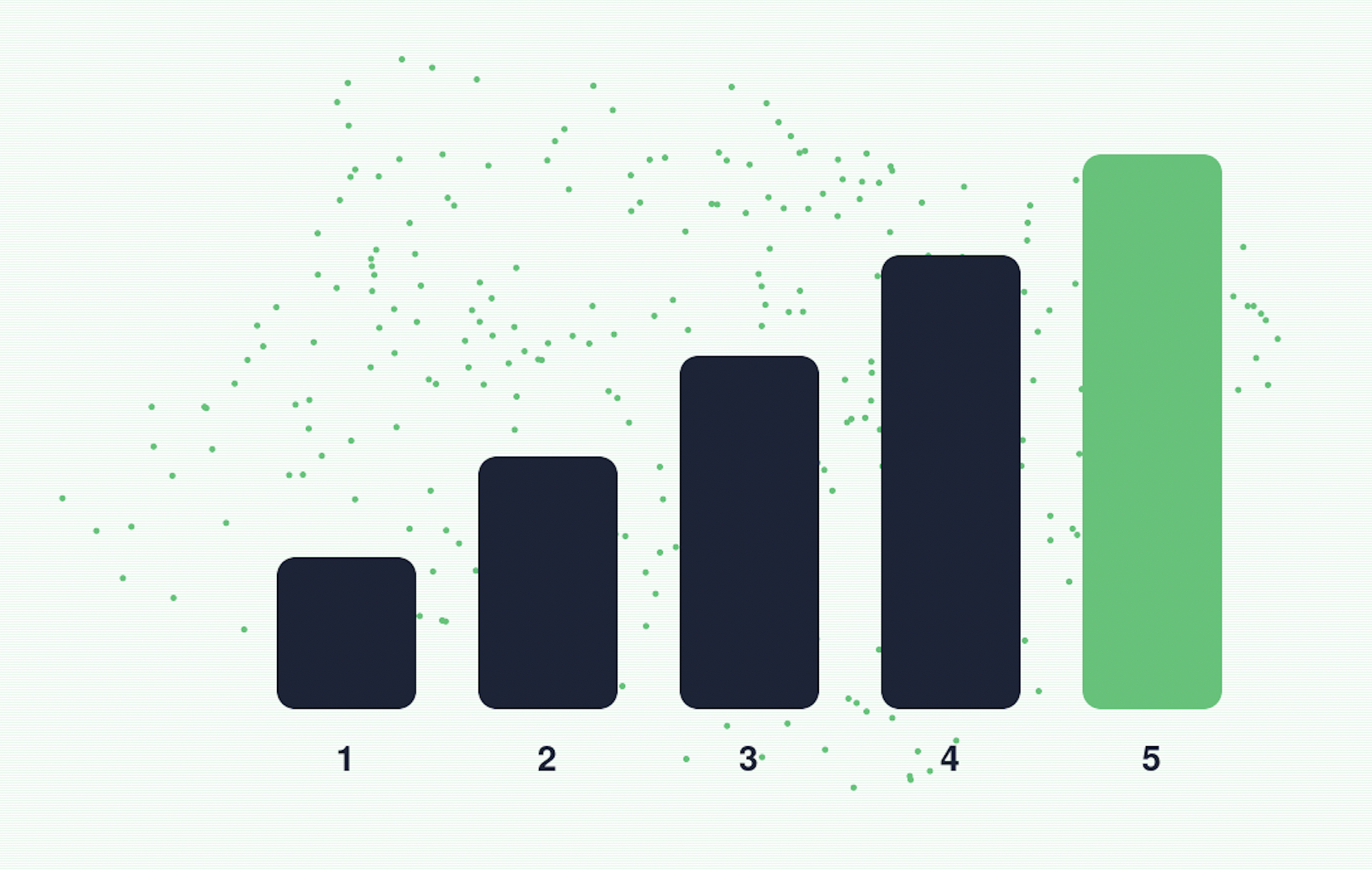
When a plant manager says "we have a skills gap," they almost always mean five different things at once. Treating them as one problem is why so many training initiatives miss. Five trends are reshaping frontline competency, and each requires a different response.
Tenure is dropping, and the curve is bimodal. Operators stay past year one or leave within 90 days. The middle is hollowing out. The cost of bad onboarding has gotten dramatically worse: if you can't get a new operator productive in their first 90 days, you'll lose them and start the clock again. Track time-to-competency by station, not by hire.
Roles are bundling. Five years ago, the operator operated, the technician maintained, the inspector inspected. That separation is collapsing. Modern frontline jobs combine operation, basic maintenance, in-process quality, and digital escalation. This isn't only labor cost — every handoff is a queue, and queues kill flow. Watch how much skill breadth a station now demands compared to two years ago. Most leaders are surprised.
Skills are perishable. A skill that was current six months ago may not be current today. Product mix is more dynamic, line changeovers more frequent, software updates more common. Certification can no longer be a one-time event — it needs a refresh cadence, tracked. The plant that doesn't track it discovers gaps via quality escapes.
Tribal knowledge is the largest unrecorded asset on the shopfloor. Every plant has senior operators who know things no one wrote down: the setup that always sticks, the fixture that fails first, the recipe adjustment for humid days. None of this is on any balance sheet. It walks out at retirement. The disappearance isn't new — but the demographic curve has accelerated and the slack has run out.
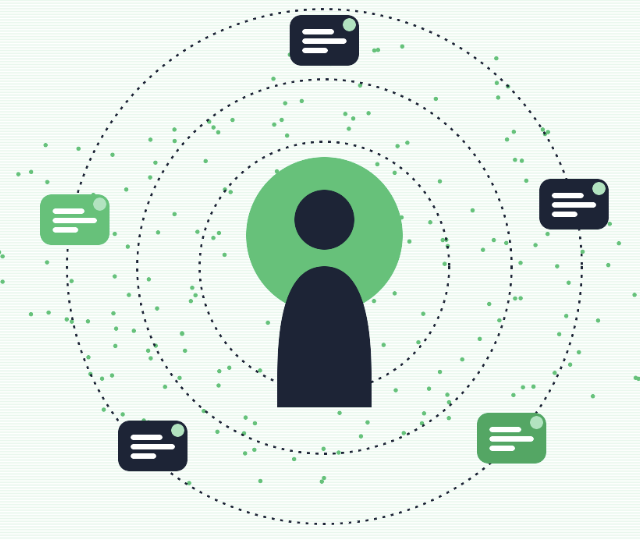
The frontline-to-system loop is becoming bidirectional. Manufacturing systems used to push information down. The plants getting the most out of digital tools have flipped it: operators edit instructions when the floor finds a better way, flag steps that don't match reality, escalate anomalies in real time. The system learns from the floor — when contribution is easy.
Together these trends describe a workforce that turns over faster, takes on more, holds skills that go stale, carries undocumented knowledge, and increasingly expects to contribute back. The plants handling it well measure competency at the station, not the person; capture tribal knowledge as a continuous practice; and treat the workflow itself as the training.
These trends aren't reversing. The plant managers who track them — really track them, with numbers, by station, over time — are the ones whose lines stay running.
Book a free demo of our application and see how it can take your manufacturing operations to the next level.