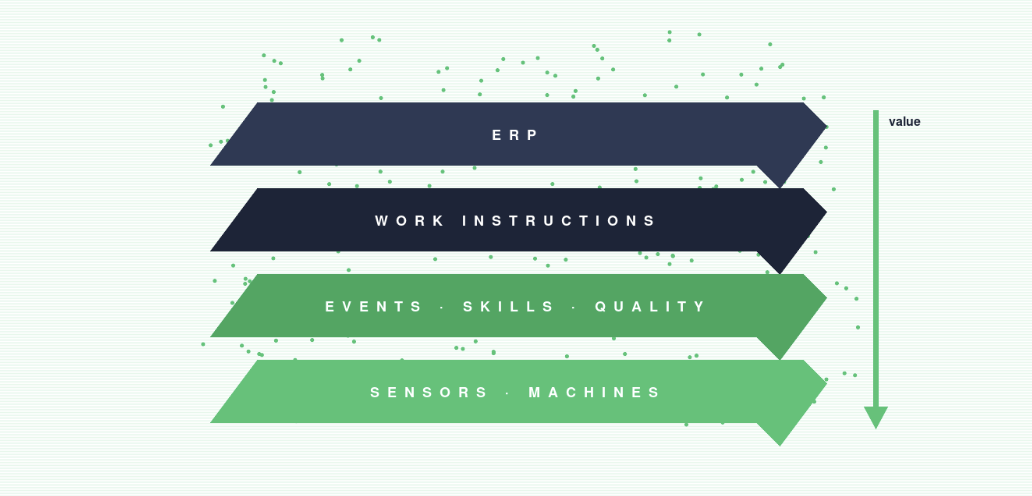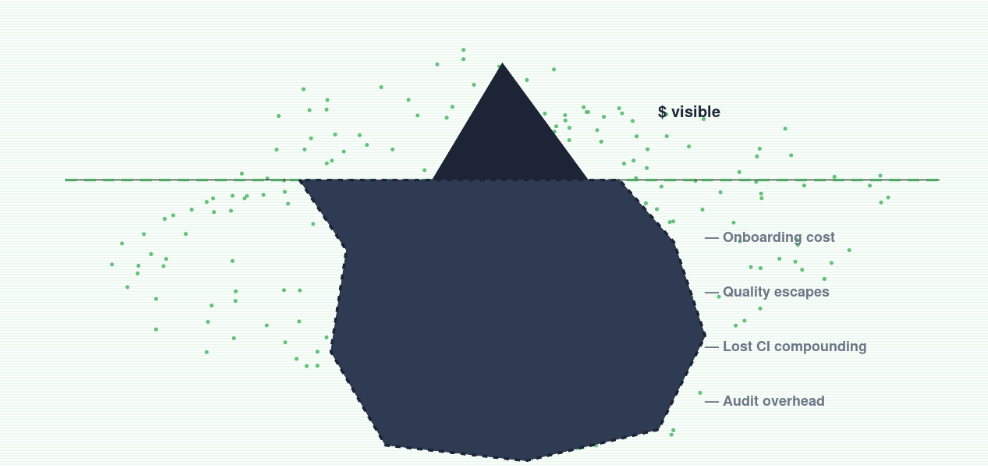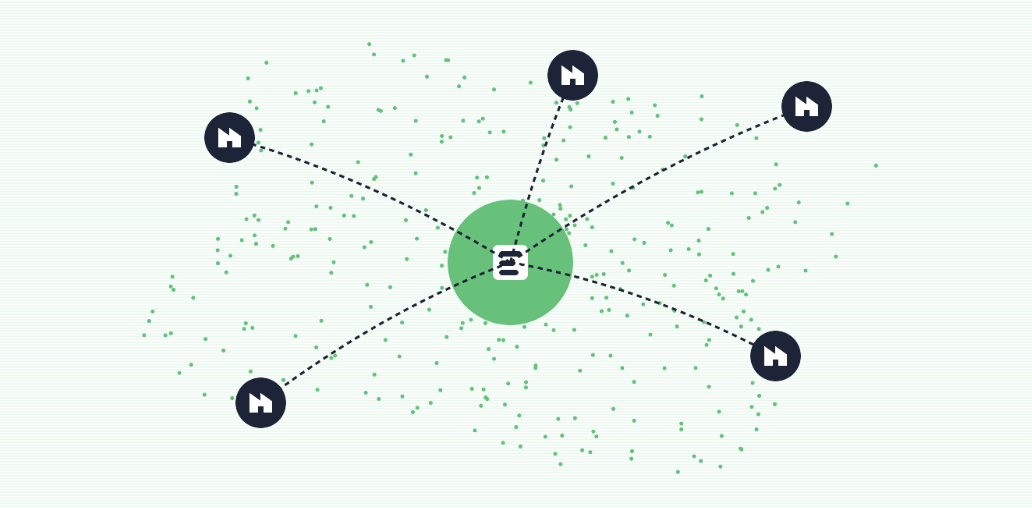
Lorem ipsum dolor sit amet, consectetur adipiscing elit lobortis arcu enim urna adipiscing praesent velit viverra sit semper lorem eu cursus vel hendrerit elementum morbi curabitur etiam nibh justo, lorem aliquet donec sed sit mi dignissim at ante massa mattis.
Vitae congue eu consequat ac felis placerat vestibulum lectus mauris ultrices cursus sit amet dictum sit amet justo donec enim diam porttitor lacus luctus accumsan tortor posuere praesent tristique magna sit amet purus gravida quis blandit turpis.
At risus viverra adipiscing at in tellus integer feugiat nisl pretium fusce id velit ut tortor sagittis orci a scelerisque purus semper eget at lectus urna duis convallis. porta nibh venenatis cras sed felis eget neque laoreet suspendisse interdum consectetur libero id faucibus nisl donec pretium vulputate sapien nec sagittis aliquam nunc lobortis mattis aliquam faucibus purus in.
Nisi quis eleifend quam adipiscing vitae aliquet bibendum enim facilisis gravida neque. Velit euismod in pellentesque massa placerat volutpat lacus laoreet non curabitur gravida odio aenean sed adipiscing diam donec adipiscing tristique risus. amet est placerat in egestas erat imperdiet sed euismod nisi.
“Nisi quis eleifend quam adipiscing vitae aliquet bibendum enim facilisis gravida neque velit euismod in pellentesque massa placerat”
Eget lorem dolor sed viverra ipsum nunc aliquet bibendum felis donec et odio pellentesque diam volutpat commodo sed egestas aliquam sem fringilla ut morbi tincidunt augue interdum velit euismod eu tincidunt tortor aliquam nulla facilisi aenean sed adipiscing diam donec adipiscing ut lectus arcu bibendum at varius vel pharetra nibh venenatis cras sed felis eget dolor cosnectur drolo.
The single-plant rollout of digital work instructions is hard. The multi-plant rollout is a different kind of hard, and most lessons from the first plant don't transfer cleanly to the next four.
Multi-plant rollouts fail in predictable ways. The pilot becomes the showcase, and the second plant rejects it. Corporate imposes a uniform standard, and the third plant rebels. The rollout fragments into per-plant variants that look like a fleet but operate like a hundred local snowflakes. There is a way to do this that scales.
Standardize the structure, not the content. Standardize how instructions are built — format of a step, level of granularity, in-step quality check pattern, branching logic, data captured. Let plants own the actual content, since their products and equipment really are different. Flip this — standardize content, leave structure to each plant — and you get the worst of both worlds: instructions that fit nobody and data you can't compare.
Pick the right pilot, and the right second plant. The pilot should be representative — typical products, equipment, demographics — with leadership that owns the rollout (not tolerates it). The second plant matters more. After the pilot, the second plant tells you whether anything is portable. Pick a deliberately different one — different product mix, different region, different culture. If it works there, it'll work elsewhere.
Build a small platform team, not a project team. Three to five people across operations, engineering, and IT own the structural standards, the editing tools, the integrations, the data model. They don't write instructions for plants — they make it easy for plants to write good ones. Plants own their instructions. The platform owns the platform.
Migrate by line, not by plant. "Plant by plant" sounds organized and is usually wrong. Better: line by line, prioritized by where digital instructions create the most value. Every plant migrates its highest-value lines first, in parallel. Creates value faster and surfaces structural issues earlier.
Localize the language, not the structure. Operators need instructions in their working language — non-negotiable. But the same standardized structure works in any language. Confusing "we need it in our language" with "we need our own format" produces fragmentation that's hard to reverse.
Measure adoption, not deployment. "Number of instructions deployed" is vanity. The real metric is percentage of work performed against a digital instruction, by plant, by line, by shift. When this is low for a particular line, you have a real problem to solve.
Plan for the moment plants want to diverge. Six to twelve months in, every rollout hits this. The right answer is rarely yes or no. It's usually: diverge here (content, language, specific steps) but not here (structure, data model, in-step check pattern). Make the boundary explicit before the conversation gets emotional.
Two years in, success looks like a fleet, not a federation.
Book a free demo of our application and see how it can take your manufacturing operations to the next level.