Lorem ipsum dolor sit amet, consectetur adipiscing elit lobortis arcu enim urna adipiscing praesent velit viverra sit semper lorem eu cursus vel hendrerit elementum morbi curabitur etiam nibh justo, lorem aliquet donec sed sit mi dignissim at ante massa mattis.
Vitae congue eu consequat ac felis placerat vestibulum lectus mauris ultrices cursus sit amet dictum sit amet justo donec enim diam porttitor lacus luctus accumsan tortor posuere praesent tristique magna sit amet purus gravida quis blandit turpis.
At risus viverra adipiscing at in tellus integer feugiat nisl pretium fusce id velit ut tortor sagittis orci a scelerisque purus semper eget at lectus urna duis convallis. porta nibh venenatis cras sed felis eget neque laoreet suspendisse interdum consectetur libero id faucibus nisl donec pretium vulputate sapien nec sagittis aliquam nunc lobortis mattis aliquam faucibus purus in.
Nisi quis eleifend quam adipiscing vitae aliquet bibendum enim facilisis gravida neque. Velit euismod in pellentesque massa placerat volutpat lacus laoreet non curabitur gravida odio aenean sed adipiscing diam donec adipiscing tristique risus. amet est placerat in egestas erat imperdiet sed euismod nisi.
“Nisi quis eleifend quam adipiscing vitae aliquet bibendum enim facilisis gravida neque velit euismod in pellentesque massa placerat”
Eget lorem dolor sed viverra ipsum nunc aliquet bibendum felis donec et odio pellentesque diam volutpat commodo sed egestas aliquam sem fringilla ut morbi tincidunt augue interdum velit euismod eu tincidunt tortor aliquam nulla facilisi aenean sed adipiscing diam donec adipiscing ut lectus arcu bibendum at varius vel pharetra nibh venenatis cras sed felis eget dolor cosnectur drolo.
Predicting the future of frontline operations is a popular activity and an uneven one. The forecasts of 2018 expected lights-out factories by 2025, autonomous lines, the elimination of much frontline labor. None of that happened at the predicted pace.
That said, the trajectory of the last five years is now clear enough to be specific. The shape of frontline operations in 2030 will not be radically alien. It will be a faster, more adaptive version of what the leading plants are already doing in 2026 — and dramatically different from what the median plant is doing today.
The biggest shift is the role of the frontline operator. By 2030, the leading-edge role will look more like a flexible problem-solver than a station-bound execution role. The dynamic worker isn't fixed to a single station. They're equipped with structured digital tools, supported by AI for guidance and exception handling, and continuously upskilled in small increments rather than batch-trained. Their day involves running multiple stations across a shift, handling exceptions surfaced by the system, and contributing back when they spot a better way.
This is not a forecast. It's a description of what the leading plants already have in 2026, just unevenly. By 2030, it will be the standard model.
For the plant manager, the job will rely less on instinct and shift walks and more on a real-time, contextual operational picture. The decisions will be the same — staffing, scheduling, escalation, capital — but the inputs will be vastly better. The competency matrix becomes a live operational asset, not a quarterly document. Workforce planning starts to look the way the best plants manage their material flow: skills as inventory, certifications as expiry dates, deployment as routing.
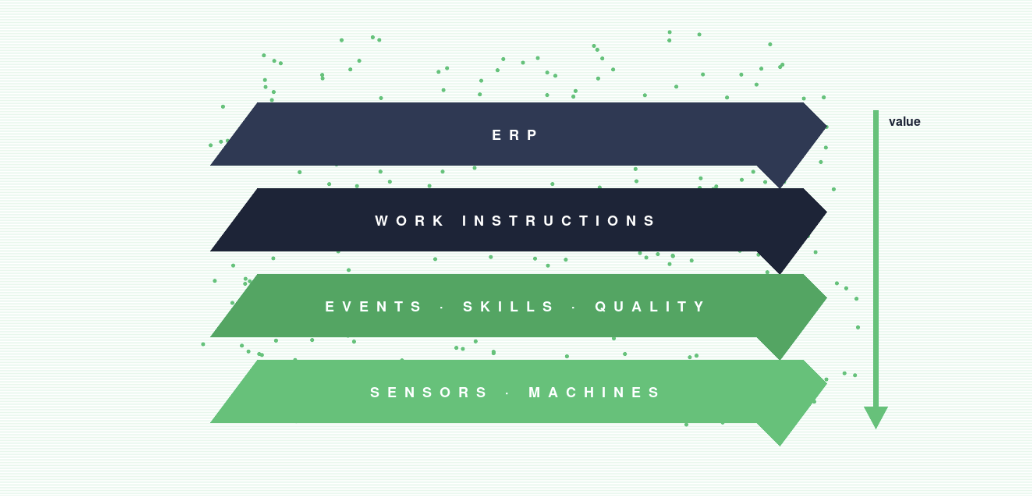
For the C-suite, three priorities shift. Capital allocation increasingly favors flexibility over capacity. The operational data layer becomes a strategic asset on par with the ERP — the architecture conversation moves out of IT and into operations. The workforce strategy function becomes more central, because the labor crunch isn't going to materially ease by 2030.
Two parts deserve to be named. The dynamic worker model is harder, not easier, to manage than the station-bound model. It demands better systems, better data, better instructions, better skill tracking. And the dynamic worker is being asked to do more — more breadth, more decision-making, more contribution. Companies that get this right are intentional about how they design the role, not just the technology.
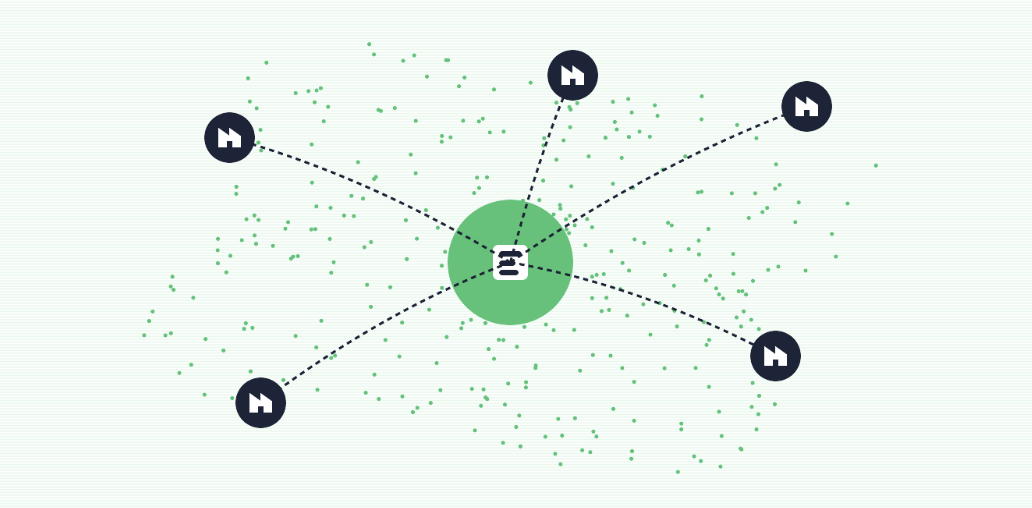
Looking ahead clarifies which 2026 investments compound and which expire. Compound: structured digital instructions, structured skills data, real-time events with context, the platform that connects them. Expire: standalone AI pilots without an operational backbone, monitoring without a workflow, anything that produces a binder.
The plants that compound their 2026 investments will be the dynamic workforces of 2030.
Book a free demo of our application and see how it can take your manufacturing operations to the next level.