Lorem ipsum dolor sit amet, consectetur adipiscing elit lobortis arcu enim urna adipiscing praesent velit viverra sit semper lorem eu cursus vel hendrerit elementum morbi curabitur etiam nibh justo, lorem aliquet donec sed sit mi dignissim at ante massa mattis.
Vitae congue eu consequat ac felis placerat vestibulum lectus mauris ultrices cursus sit amet dictum sit amet justo donec enim diam porttitor lacus luctus accumsan tortor posuere praesent tristique magna sit amet purus gravida quis blandit turpis.
At risus viverra adipiscing at in tellus integer feugiat nisl pretium fusce id velit ut tortor sagittis orci a scelerisque purus semper eget at lectus urna duis convallis. porta nibh venenatis cras sed felis eget neque laoreet suspendisse interdum consectetur libero id faucibus nisl donec pretium vulputate sapien nec sagittis aliquam nunc lobortis mattis aliquam faucibus purus in.
Nisi quis eleifend quam adipiscing vitae aliquet bibendum enim facilisis gravida neque. Velit euismod in pellentesque massa placerat volutpat lacus laoreet non curabitur gravida odio aenean sed adipiscing diam donec adipiscing tristique risus. amet est placerat in egestas erat imperdiet sed euismod nisi.
“Nisi quis eleifend quam adipiscing vitae aliquet bibendum enim facilisis gravida neque velit euismod in pellentesque massa placerat”
Eget lorem dolor sed viverra ipsum nunc aliquet bibendum felis donec et odio pellentesque diam volutpat commodo sed egestas aliquam sem fringilla ut morbi tincidunt augue interdum velit euismod eu tincidunt tortor aliquam nulla facilisi aenean sed adipiscing diam donec adipiscing ut lectus arcu bibendum at varius vel pharetra nibh venenatis cras sed felis eget dolor cosnectur drolo.
The conversation about manufacturing labor has shifted. For the last decade, plant leaders treated the "skills gap" as a future risk. In 2026, it has arrived. The shortage has moved from a workforce problem to a production problem, and most operations leaders are still resourcing it like the former.
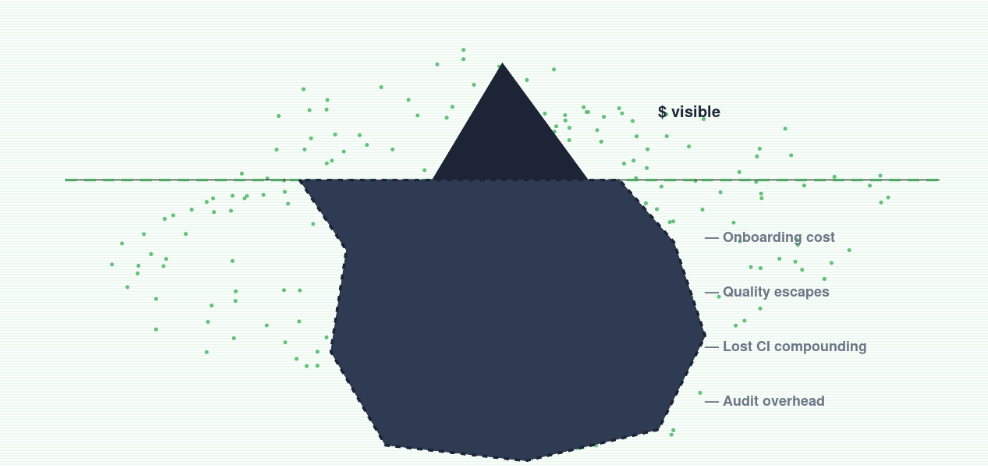
The early warning sign is showing up in OEE. When you don't have enough qualified operators, the same machine produces less. Changeovers stretch. Quality escapes climb. First-pass yield drops in ways that look mysterious until you correlate them with shift composition and operator tenure. The constraint has moved from equipment to people, and that changes the math on every productivity initiative. A new line, a new robot, a new MES rollout — none of them deliver promised ROI if you don't have the operators to run them.
Three structural shifts are blunting the traditional response of "pay more, recruit harder."
The supply isn't there. The demographic curve is the demographic curve. Wage inflation alone won't solve a structural shortfall.
The role has changed faster than the training. A modern shopfloor expects operators to interact with HMIs, follow electronic work instructions, escalate quality issues digitally, and contribute to continuous improvement. The legacy onboarding model — shadow a senior operator for six weeks — assumes that senior operator has the time to teach, and that the role they're teaching is the role you're hiring for. Both assumptions are increasingly broken.
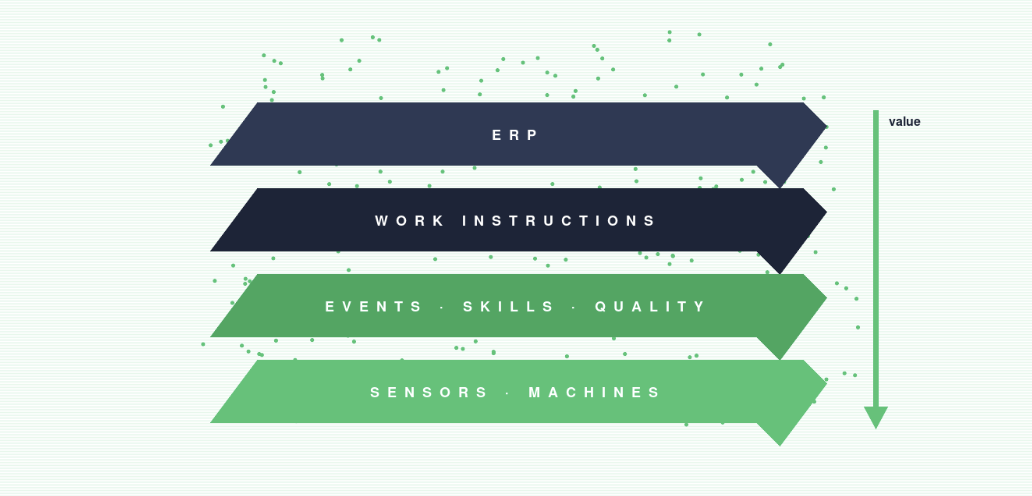
Knowledge is leaving. When experienced operators retire, they take with them the unwritten know-how that keeps lines running. None of it lives in your ERP. Most of it doesn't even live in your SOPs.
The plants that are succeeding in 2026 aren't trying to hire their way out. They're redesigning the operator role around two assumptions: every new hire will start with less experience, and tenure will keep dropping.
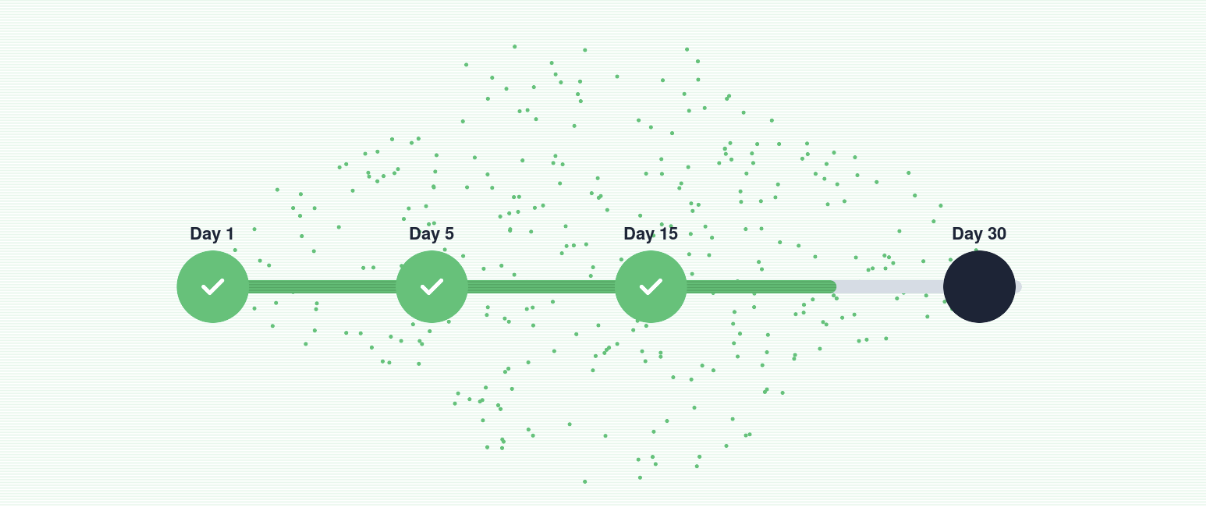
That changes what you build for. Structured digital workflows so a new operator can be productive on day two instead of week six. Systematic capture of tribal knowledge before it walks out. Skills tracked like a real-time asset, not an annual spreadsheet. And a feedback loop between what's happening on the line and what the next operator sees when they walk up to the station.
The labor shortage isn't going to be solved by HR alone. It's going to be solved, or not, by how operations is designed.
Book a free demo of our application and see how it can take your manufacturing operations to the next level.